
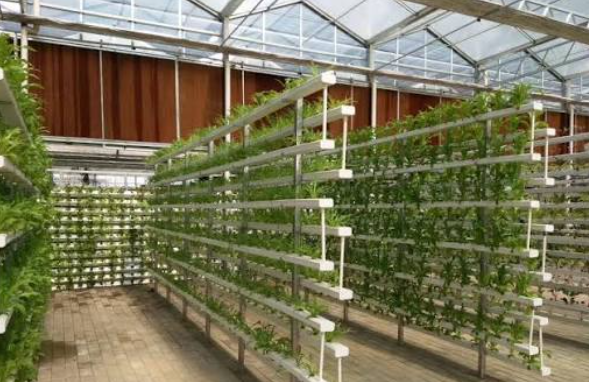
Imagine earning not just one, two, or three, but sometimes even five different income streams from the same piece of land. That is the power of multi layer farming, an innovative agricultural system that is rapidly gaining popularity among farmers. As agricultural landholdings continue to shrink and input costs such as fertilizers, seeds, labor, and irrigation keep increasing, depending on a single crop has become less profitable and more risky. Multi layer farming provides a practical solution by allowing farmers to grow crops of different heights and growth durations on the same field. Instead of using land only horizontally, this method utilizes it vertically, with tall fruit trees or crops occupying the top layer, medium sized plants growing beneath them, vegetables and shrubs forming the next layer, and leafy vegetables or root crops covering the ground. Each layer produces its own harvest, creating multiple income opportunities throughout the year. This farming system is inspired by natural forests, where plants of different heights coexist and efficiently utilize sunlight, water, and soil nutrients. By following the same principle, farmers can maximize land productivity while making better use of available natural resources.https://www.slideshare.net/slideshow/multilayer-farming-system/247346501
Reduce farming risks. Unlike traditional farming.
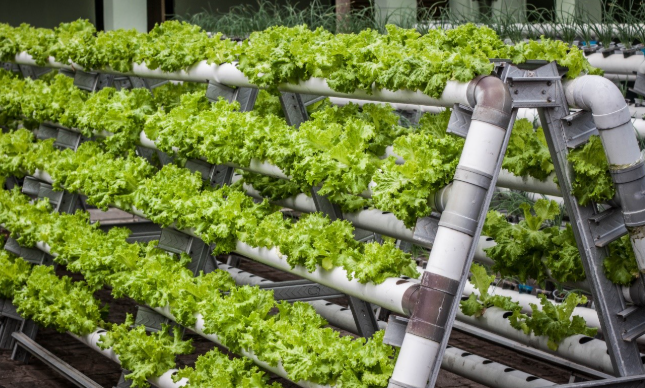
One of the biggest advantages of multi layer farming is its ability to reduce farming risks. Unlike traditional farming, where the entire income depends on a single crop, this system spreads the risk across multiple crops. If one crop is damaged due to pests, diseases, adverse weather, or a sudden drop in market prices, the remaining crops continue generating income, providing financial stability to the farmer. Different crops also support each other naturally. Tall plants provide partial shade to crops that cannot tolerate excessive sunlight, ground cover crops help retain soil moisture and reduce evaporation, while leguminous plants improve soil fertility by fixing nitrogen. As a result, water usage becomes more efficient, fertilizer requirements may decrease, soil erosion is minimized, and biodiversity on the farm increases. Beneficial insects and pollinators also thrive in such diverse farming systems, creating a healthier agricultural ecosystem. A well designed multi layer farming system generally consists of four layers. The top layer includes tall fruit trees or crops such as coconut, moringa, papaya, or banana. The second layer is occupied by medium height fruit crops like guava, lemon, pomegranate, or additional banana plants. The third layer contains vegetables and shrubs such as chili, brinjal (eggplant), turmeric, ginger, and cabbage. Finally, the ground layer consists of leafy vegetables and root crops including spinach, coriander, onions, garlic, sweet potatoes, and similar crops. Some farmers also introduce a fifth vertical layer by growing climbing vegetables such as bottle gourd, cucumber, beans, or bitter gourd on trellises. This arrangement ensures that sunlight reaches every level of the farm while making maximum use of available space.
Based on local climatic conditions.
Different parts of India have successfully adopted multi layer farming models based on local climatic conditions. In South India, coconut based multi layer farming is widely practiced, where bananas, turmeric, ginger, and pineapple are cultivated beneath coconut trees. In many regions, farmers combine papaya with vegetables to create an efficient production system. Polyhouse farming also follows the same principle by growing climbing crops overhead while cultivating leafy vegetables underneath. Natural farming, permaculture systems, and even rooftop urban farming have increasingly embraced multi layer farming because of its ability to generate higher productivity from limited space while improving sustainability.
Advantage is higher income per acre.
The benefits of multi layer farming are numerous. The most significant advantage is higher income per acre because multiple crops produce multiple harvests throughout the year instead of relying on a single seasonal crop. It also provides better risk management, efficient land utilization, improved soil health, enhanced water conservation, and increased biodiversity. Since the soil remains covered for most of the year, moisture retention improves significantly, reducing irrigation requirements. The farm also becomes more resilient to changing climatic conditions and unpredictable market fluctuations. Although multi layer farming can be practiced in most regions, success depends on proper planning. Farmers must carefully study their local climate, soil conditions, water availability, and market demand before selecting crops. Choosing compatible crops is extremely important because crops competing for the same sunlight, nutrients, or water can reduce overall productivity. Proper crop selection is the foundation of a successful multi layer farming system.https://unbiasedpollkhol.com/
Understanding local market demand from risk point of view
Beginners are advised not to copy advanced farming models directly from social media or YouTube. Instead, they should start with a small area, such as a quarter acre or half acre, to gain practical experience. Understanding local market demand and selecting a balanced combination of long term and short term crops is essential. For example, papaya may serve as the primary crop, while turmeric and leafy vegetables are grown underneath. Similarly, bananas can be combined with ginger and onions to create a profitable farming model. Since different crops mature at different times, farmers can enjoy continuous cash flow throughout the year instead of waiting for a single harvest season. Starting a multi layer farming system requires a systematic approach. Farmers should first conduct a soil test to understand nutrient levels and soil health. Drip irrigation is highly recommended because it distributes water efficiently to different crop layers while minimizing wastage. The farm layout should be carefully designed to ensure that taller crops do not completely block sunlight from shorter crops. Proper spacing between plants helps reduce disease incidence and nutrient competition. Adding organic matter through compost, vermicompost, and mulching further improves soil fertility and moisture retention. Maintaining detailed records of expenses, crop yields, profits, and production helps farmers identify the most profitable crop combinations over time.