
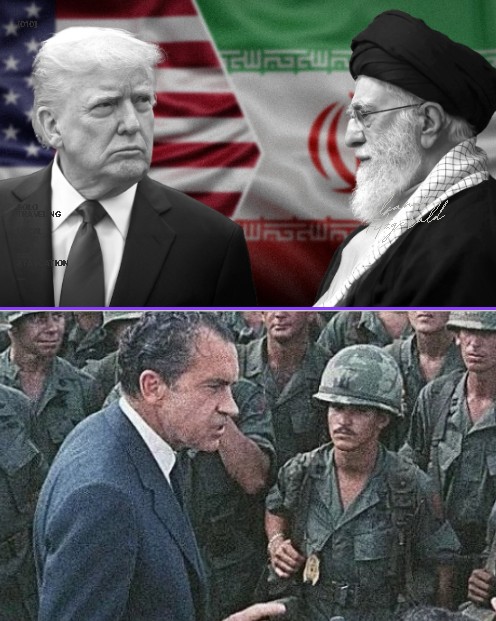
The ongoing conflict between the United States and Iran is increasingly being compared to one of the most painful chapters in American military history the Vietnam War. What initially appeared to be a rapid strategic operation has evolved into a complex regional confrontation, raising a critical question worldwide: Is Iran becoming America’s Vietnam 2.0?
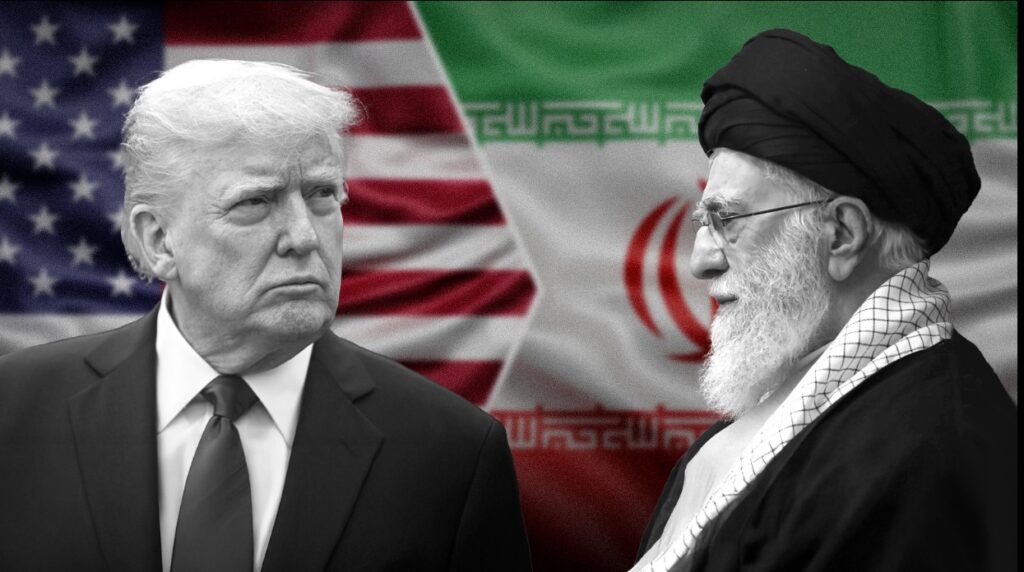
Unlike previous Middle East wars, Iran is not an isolated or weak opponent. It is geographically strategic, militarily prepared, and capable of disrupting global energy systems something that has already begun reshaping the world economy.https://unbiasedpollkhol.com/
Lessons From the Vietnam War
Seems US has not learnt from the war with Vietnam (1955–1975) where reminder that military strength does not guarantee victory in asymmetric conflicts. The loss was not measured from that war hence repeated same mistake.
Let’s understand from below figures that it was not just a financial loss but many humans lost their lives, peace, homes.
- Over 3 million Americans served in Vietnam.
- More than 58,000 U.S. soldiers died.
- Total U.S. spending reached about $168 billion at the time — equivalent to over $1 trillion today.
At peak spending, the war cost roughly $25 billion per year, which equals about $68 million per day in 1960s dollars.https://prescottpucksmith.com/blogs/how-much-did-the-vietnam-war-cost
Despite massive investment and military dominance, the U.S. failed to achieve its political objectives — largely due to guerrilla tactics, local resistance, and prolonged engagement.
Many analysts now see similar warning signs emerging in Iran.
Why Iran Is Not an Easy Target
Unlike Iraq or Afghanistan, Iran possesses several strategic advantages:
- Mountainous terrain ideal for defensive warfare
- Large missile and drone capabilities
- Strong regional proxy networks
- Control over the Strait of Hormuz the world’s most critical oil chokepoint
Iran’s ability to strike energy infrastructure across neighboring countries has shocked global markets. Missile attacks on Gulf energy facilities and LNG infrastructure have already caused severe supply disruptions.
This asymmetric warfare strategy mirrors Vietnam, where technological superiority failed to guarantee victory.
NATO Hesitation: A Major Turning Point
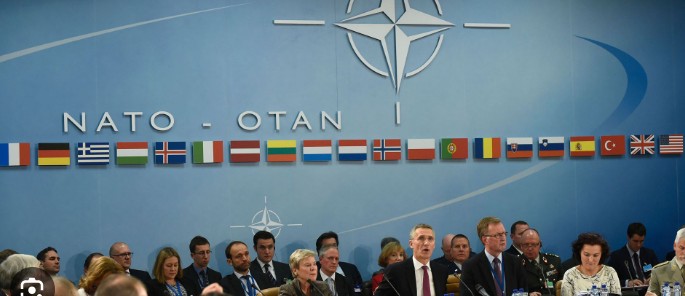
Reports indicate several NATO partners have avoided direct military involvement despite U.S. pressure, forcing Washington to carry much of the operational burden alone.
During Vietnam, America also struggled to secure sustained allied combat participation, ultimately bearing most military and financial costs itself a factor that contributed to domestic fatigue and political backlash.
The Cost of War: Then Vs Now
- $68 million per day (1960s value)
- Equivalent to hundreds of millions daily today
Iran War (Estimated Modern Operations)
Modern warfare involving carrier groups, missile defense systems, and precision strikes is vastly more expensive. Analysts estimate active high-intensity U.S. military operations today can exceed $250–300 million per day, depending on deployment scale and logistics.
While official numbers remain classified, sustained air operations, naval deployments in the Persian Gulf, and missile interception systems significantly increase daily expenditures compared to Vietnam.
Oil, Gas, and the World Economy Under Shock
Iran sits at the center of global oil transit routes. Its actions around the Strait of Hormuz have disrupted energy flows, removing millions of barrels of oil from markets and pushing prices above $100 per barrel.
Iranian retaliatory strikes on regional gas facilities including damage to one of the world’s largest LNG hubs have intensified fears of a long-term energy crisis.
Consequences already visible worldwide include:
- Fuel shortages in several Asian countries
- Rising inflation globally
- Supply chain disruptions
- Increased food and fertilizer prices
Developing nations are suffering the most, with some governments introducing fuel rationing and reduced workweeks to conserve energy.
A War Without Clear Victory?
Vietnam taught the world that wars are not won only on battlefields they are won politically, economically, and psychologically. Iran’s strategy appears focused not on defeating the United States militarily but on raising the cost of war until continuation becomes unsustainable.
By targeting energy systems and regional stability rather than direct confrontation, Iran is reshaping the conflict into an economic war affecting the entire planet.
For more such news/Blog/Update follow us @https:https://unbiasedpollkhol.com/
19 Mar 2026, Written by Ravi Kumar