
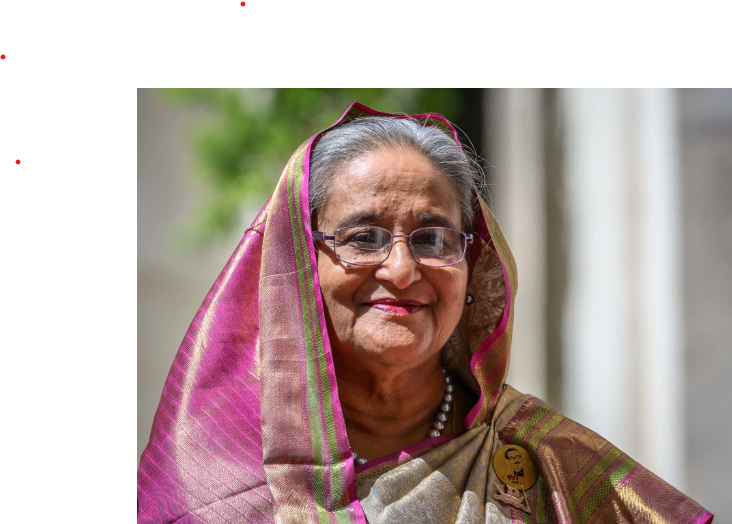
Former Bangladeshi Prime Minister Sheikh Hasina recently surprised many by announcing that she is willing to return to Bangladesh and face any legal proceedings against her. The declaration immediately sparked political debate, with some voices in Bangladesh demanding that she return as soon as possible. At first glance, the decision appears risky because almost everyone expects that she would face imprisonment or another form of punishment. However, the political calculations behind her announcement may go far beyond her personal future.
A Return of Sheikh Hasina That Could Revive the Awami League in Bangladesh
One possible reason behind Sheikh Hasina’s proposed return is the condition of her political party, the Awami League. Since leaving Bangladesh and taking refuge in India, many party leaders have reportedly faced arrests, attacks, or have fled the country. Without its most recognizable leader, the Awami League has struggled to maintain its political strength. Her return, even if it results in imprisonment, could unite party workers once again and provide the leadership the organization currently lacks. Bangladesh’s two largest political parties the Awami League and the Bangladesh Nationalist Party (BNP) have long revolved around their founding families. Sheikh Hasina represents the Awami League, while Tarique Rahman leads the BNP after years spent in exile in the United Kingdom. Supporters of both parties often associate the party’s identity with its founding family, making leadership succession extremely difficult. This form of dynastic politics is not unique to Bangladesh and can also be observed in several political parties across South Asia.https://www.aljazeera.com/news/2026/7/10/condemned-ex-pm-hasina-plans-december-return-to-bangladesh
Punishment May Be Certain, But Political Survival Is the Goal
History suggests that leading a political movement from another country is extremely difficult. Tarique Rahman spent more than fifteen years in the United Kingdom before returning to Bangladesh and eventually becoming Prime Minister. His return demonstrated that physical presence inside the country remains essential for rebuilding political influence. Sheikh Hasina may be following a similar calculation by deciding to return despite the personal risks. Supporters of Sheikh Hasina argue that the legal cases against her are politically motivated. The accusations include allegations that security forces under her government used excessive force against protesters. Critics, however, point out that previous governments in Bangladesh have also faced similar accusations. This raises broader questions about whether political justice in Bangladesh is applied consistently regardless of which party is in power.
Bangladesh’s Military and the Influence of Jamaat e Islami
The debate also extends to Bangladesh’s military establishment and the alleged influence of Jamaat e Islami. While the current Army Chief has attempted to present the military as politically neutral, some analysts argue that Islamist groups continue to hold influence in certain institutions and border regions. According to this perspective, these ideological networks play a significant role in shaping Bangladesh’s internal politics and its relationship with neighboring India. Bangladesh has experienced repeated episodes of political violence, particularly after elections. Reports over the years have documented incidents ranging from attacks on political opponents to destruction of property and intimidation of rival supporters. Such violence has contributed to a political culture where elections are frequently followed by instability rather than reconciliation.https://unbiasedpollkhol.com/
India’s Future Strategy
Many foreign policy experts argue that India should continue engaging Bangladesh as an important neighbor while also protecting its own strategic interests. Strong diplomatic ties, economic cooperation, and regional stability remain important goals, but policymakers also emphasize the need to address security concerns and cross border challenges. At the same time, historical debates surrounding organizations such as Jamaat e Islami and their alleged role during the 1971 Bangladesh Liberation War continue to influence political discussions in both countries. As regional dynamics evolve, India Bangladesh relations are likely to remain shaped by both historical legacies and present day strategic considerations.