
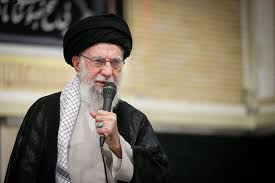
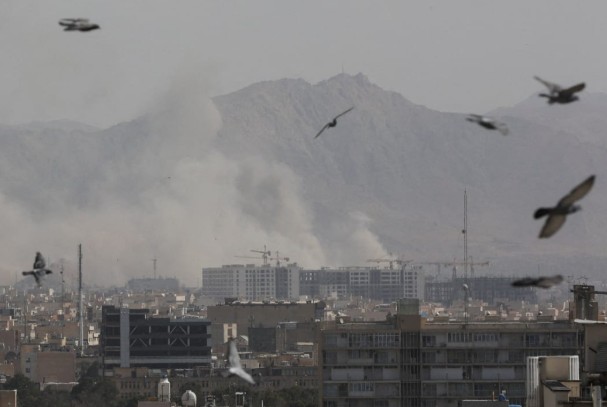
The Middle East is once again at the centre of global uncertainty. What could have remained a regional conflict between Iran and Israel has now evolved into a wider geopolitical crisis involving the United States, rising oil prices, economic instability, and growing anxiety across the world. The conflict reached an unprecedented level when Iran’s Supreme Leader, Ali Khamenei, was killed during joint U.S. Israeli airstrikes on Tehran on 28 February 2026. Iranian state media later confirmed his death, ending a leadership era that had lasted more than three decades.
For many observers, the biggest question is simple yet uncomfortable: could dialogue between regionalpowers have prevented this escalation before external military intervention turned tensions into open confrontation?
Today, the consequences are no longer limited to one region. From fuel prices in India to investment risks in Dubai, the ripple effects are being felt worldwide. https://unbiasedpollkhol.com/
From Regional Rivalry to Global Crisis
Iran and Israel have shared decades of hostility rooted in political ideology, security concerns, and regional influence. Israel views Iran’s nuclear ambitions and missile capabilities as existential threats, while Iran sees Israeli and Western actions as attempts to weaken its sovereignty. https://en.wikipedia.org/wiki/2024_Iran%E2%80%93Israel_conflict
Recent military strikes and retaliatory attacks have intensified the conflict dramatically. The involvement of the United States has transformed what was once a shadow conflict into a direct geopolitical confrontation.
Supporters of military action argue it prevents future threats. Critics, however, believe that targeting leadership and expanding military operations risks normalizing force over diplomacy: a precedent that could destabilize international relations globally.
Many analysts argue that two regional powers, particularly within the same broader cultural and geographic region, might have explored sustained diplomatic negotiations before escalation reached this level.
The United States: Peacekeeper or Power Player?
The role of the United States has become one of the most debated aspects of the crisis. U.S. President Donald Trump had earlier emphasized his role in peace negotiations globally and even suggested such efforts deserved recognition at the highest international level.
Yet critics point out a contradiction: military interventions, economic sanctions, and tariff threats against multiple countries including India, creates an image of pressure-based diplomacy rather than consensus building.
Supporters claim strong action deters aggression. Opponents argue it fuels long-term instability and anti-Western sentiment.
This divide in perception reflects a broader global debate about whether modern geopolitics is shifting from diplomacy toward coercive strategies.
Israel’s Security Argument and Continued Bombing
Israel maintains that its actions are defensive and necessary to ensure national survival. Its leadership argues that waiting for threats to materialize would be irresponsible given regional realities.
However, continued bombing campaigns risk expanding the conflict beyond manageable limits. Each strike increases the possibility of regional alliances activating, drawing neighbouring countries into confrontation.
History shows that Middle Eastern conflicts rarely remain contained. Instead, they tend to expand economically and politically across continents.
India’s Missing Voice.
India finds itself in a uniquely complex position. It shares strong Défense ties with Israel, historical and strategic connections with Iran, deep economic partnerships with Gulf nations, and an increasingly important relationship with the United States.
Because of these overlapping interests, India has chosen cautious diplomacy calling for restraint without openly supporting any side.
While this neutrality protects strategic relationships, many experts believe India, as a rising global power, could play a stronger peace building role. Silence may be strategic, but visibility in diplomacy could strengthen India’s global leadership image.
Oil Prices: How the World Gets Dragged into War ?
The most immediate global impact of the conflict is energy security.
A significant portion of global oil supply moves through the Strait of Hormuz, a narrow route vulnerable during regional tensions. Even the threat of disruption causes oil prices to rise sharply.
For India, which imports most of its crude oil, this means:
- Higher petrol and diesel prices
- Increased inflation
- Pressure on household budgets
- Currency volatility
- A conflict thousands of kilometres away quickly becomes a financial burden for ordinary citizens.
The biggest question ?
UAE and Dubai: Is the “Safest Haven” Still Safe?
For years, cities like Dubai were considered insulated from geopolitical conflict. Millions of expatriates, including Indians, invested savings and built lives there believing stability was guaranteed.
Recent tensions have challenged that perception.
Global celebrities and professionals have chosen Dubai for its safety and economic opportunities. Indian investors have heavily invested in real estate and businesses across the UAE.
However, rising regional tensions raise new concerns:
- Airspace disruptions
- Investor uncertainty
- Safety perceptions changing rapidly
- Even if the UAE remains stable, proximity to conflict zones creates psychological and economic risk.
How Indians Are Directly Affected ?
The crisis impacts India in multiple ways:
Economic Impact
- Rising fuel costs
- Market volatility
- Increased import expenses
Human Impact
- Millions of Indian workers in Gulf countries face uncertainty.
- Families worry about evacuation scenarios if tensions escalate.
Investment Impact
- Indian investments in UAE property and businesses may face temporary instability if regional confidence declines.
- Global conflicts today are deeply interconnected no major economy remains untouched. https://www.pbs.org/newshour/world/un-chief-condemns-u-s-israeli-attacks-on-iran-during-emergency-security-council-meeting
A Dangerous Global Precedent
One of the most debated aspects of the crisis is the normalization of targeting national leadership and threatening regime change. Critics argue that such actions could create a world where powerful nations decide political outcomes through force rather than diplomacy.
If this trend continues, smaller nations may feel increasingly insecure, accelerating arms races and weakening international law.
The concern is no longer limited to Iran or Israel. It becomes a question about the future rules governing global stability.
Conclusion: A World That Needed Dialogue
The Iran-Israel crisis highlights a troubling reality: diplomacy often arrives after escalation rather than preventing it.
Rising oil prices, anxious expatriates, economic uncertainty, and political polarization demonstrate how regional conflicts quickly become global problems. India now stands at a crossroads balancing neutrality while facing growing expectations to contribute to peace efforts.
In an interconnected world, wars no longer stay local. Their consequences travel through fuel prices, markets, migration, and fear itself.
The real challenge before humanity is not deciding who wins conflicts, but ensuring dialogue wins before the cost becomes irreversible.
Follow us for more update
1 Mar 2026, Written by Poonam Mehta