

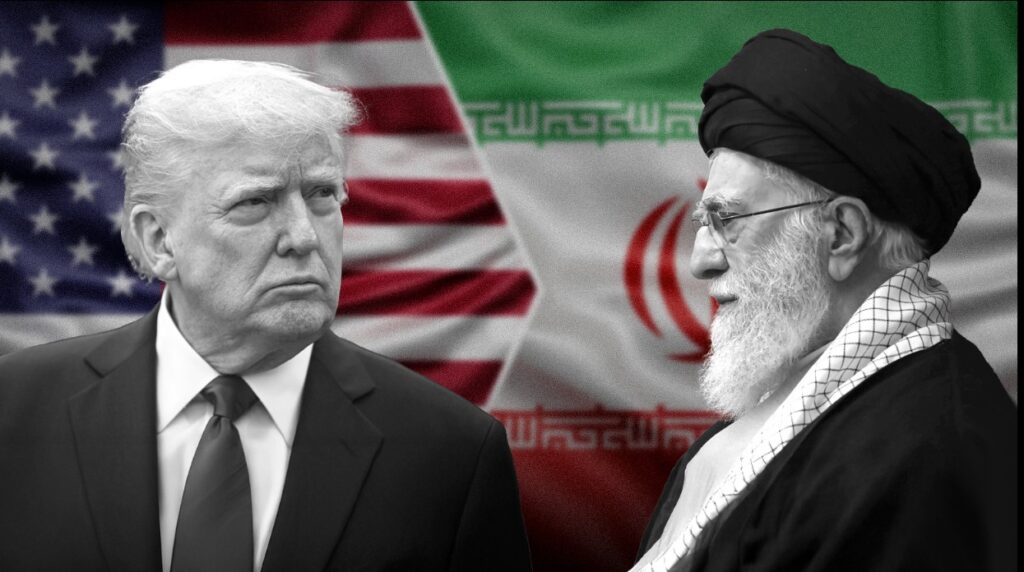
The ongoing Iran–United States conflict in 2026 has rapidly transformed from a regional confrontation into one of the most dangerous geopolitical crises of the modern era. What began as targeted military strikes has now evolved into a multi-front war affecting global energy markets, international alliances, and military strategy worldwide. Surprisingly for many observers, Iran long viewed as militarily weaker than the United States has demonstrated unexpected resilience and strategic strength, forcing the world to reassess modern warfare dynamics. https://unbiasedpollkhol.com/
How Super power War Started ?
This global conflict escalated dramatically on 28 February 2026, when the United States and Israel launched large-scale airstrikes across Iran targeting military and nuclear facilities. The strikes killed Iran’s Supreme Leader Ali Khamenei along with senior security officials, an event Iran described as a direct declaration of war. https://en.wikipedia.org/wiki/2026_Iran_war?
Within hours, Iran responded with missile and drone attacks targeting US bases, Israeli territory, and allied installations across the Middle East. What many analysts expected to be a short military campaign quickly expanded into a regional war involving Gulf nations and critical global trade routes.
Iran’s Unexpected Military Strength
Despite decades of sanctions and economic pressure, Iran has revealed significant military capabilities that surprised Western defense planners. Rather than relying on traditional large-scale armies, Iran invested heavily in asymmetric warfare strategies designed to challenge stronger opponents through innovation and endurance.
- Massive Missile Arsenal
Iran possesses a wide range of ballistic and cruise missiles capable of striking targets across the Middle East. Some advanced systems reportedly reach ranges up to 2,000 km, allowing Iran to threaten US bases and strategic infrastructure far beyond its borders.
These missiles enabled Iran to launch coordinated retaliatory strikes across Kuwait, Bahrain, and other Gulf regions, demonstrating operational reach previously underestimated by analysts.
2. Drone Warfare Changed the Battlefield
One of the biggest shocks has been Iran’s extensive drone program. Iran has deployed thousands of unmanned aerial vehicles (UAVs), including reconnaissance drones and “kamikaze” attack drones.
Unlike expensive fighter jets, these drones are relatively cheap but highly effective. Large drone swarms overwhelmed air-defense systems and forced the US and its allies to use costly interceptor missiles repeatedly turning the conflict into an economic and logistical challenge as much as a military one.
Iran reportedly inducted over 1,000 advanced drones into service before the war, many capable of long-range precision strikes.
3. Multi-Front Retaliation Strategy
Iran avoided direct conventional confrontation with US forces. Instead, it opened multiple pressure points simultaneously:
- Missile strikes on US-linked targets in Kuwait and Bahrain
- Drone attacks affecting shipping lanes
- Strikes near Jordan and Oman
- Coordination with regional allied groups
This strategy stretched American defenses across several countries at once, complicating military responses.
The Strait of Hormuz Crisis: Global Impact.
Perhaps Iran’s most powerful move was targeting maritime traffic in the Strait of Hormuz, one of the world’s most critical oil routes.
The disruption halted or reduced tanker movement dramatically, affecting nearly 20% of global oil supply. Oil prices surged above $100 per barrel, triggering economic fears worldwide and forcing major powers to release emergency energy reserves.
This showed Iran’s strategic understanding: instead of defeating the US militarily, it could influence the global economy indirectly pressuring Western governments.
Escalation Across the Middle East
As the war progressed into March 2026, attacks spread beyond Iran itself. Iranian strikes targeted infrastructure and transport networks across the Gulf region, while US and Israeli forces intensified airstrikes inside Iran.
Reports indicate thousands of civilian sites were damaged and casualties rising on multiple sides, increasing fears of a prolonged regional conflict.
The war has also involved coordinated attacks by allied regional groups, marking one of the first large-scale synchronized operations against Israel and US interests.
Why Iran Appears Stronger Than Expected ?
Asymmetric Warfare Success
Iran avoided direct battles with superior US airpower and instead focused on attrition — exhausting enemy defenses through constant pressure.
Cost Advantage
Cheap drones and missiles forced the US to spend significantly more resources defending against attacks, creating a strategic imbalance.
Decentralized Military Structure
Iran’s dispersed command systems and underground facilities made it difficult for airstrikes to eliminate its capabilities completely.
Psychological and Political Impact
By continuing operations despite leadership losses and heavy bombing, Iran projected resilience, strengthening its image domestically and among allied movements.
The World Reacts
Global reactions remain deeply divided:
- Western allies support efforts to limit Iran’s military and nuclear ambitions.
- Several nations call for immediate ceasefire negotiations.
- Energy markets remain unstable due to ongoing maritime risks.
- International organizations warn of wider economic consequences.
Meanwhile, US leadership has suggested the conflict could be short-term, though analysts remain skeptical as retaliatory attacks continue.
What Happens Next?
The Iran–US conflict has already changed modern warfare lessons:
- Drones may dominate future wars.
- Economic choke points can be as powerful as military victories.
- Smaller powers can challenge superpowers through strategy rather than scale.
Whether the war escalates further or moves toward negotiations remains uncertain. However, one reality is clear: Iran has demonstrated that military strength in the 21st century is no longer defined only by size or budget, but by adaptability, technology, and strategic patience.
For more such news/blog subscribe our website https://unbiasedpollkhol.com/
12 Mar 2026, Written by Ravi Kumar